
Built in 1876
History of Roaches Hall
Silk money, a London Zoo outpost and wallabies on the moors: the remarkable story of the house beneath the Roaches.
Built 1876 · Once an outpost of London Zoo · Wallabies on the Roaches · A Party House since 2006
History in the making
A Victorian house with a wild past
Roaches Hall, originally called Roaches House, was built in 1876 for John Hall, a partner in the Leek silk firm Brough, Nicholson and Hall. The firm won prizes at the Great Exhibition of 1851 and by 1891 employed 630 people, and John Hall wanted a house to match his success.
The house sat on the edge of the Swythamley Estate, owned by the Brocklehurst family. In the 1930s it became one of the strangest outposts of London Zoo, and its escaped wallabies became part of Peak District folklore.
The Financial Times has written about the house’s unique story.
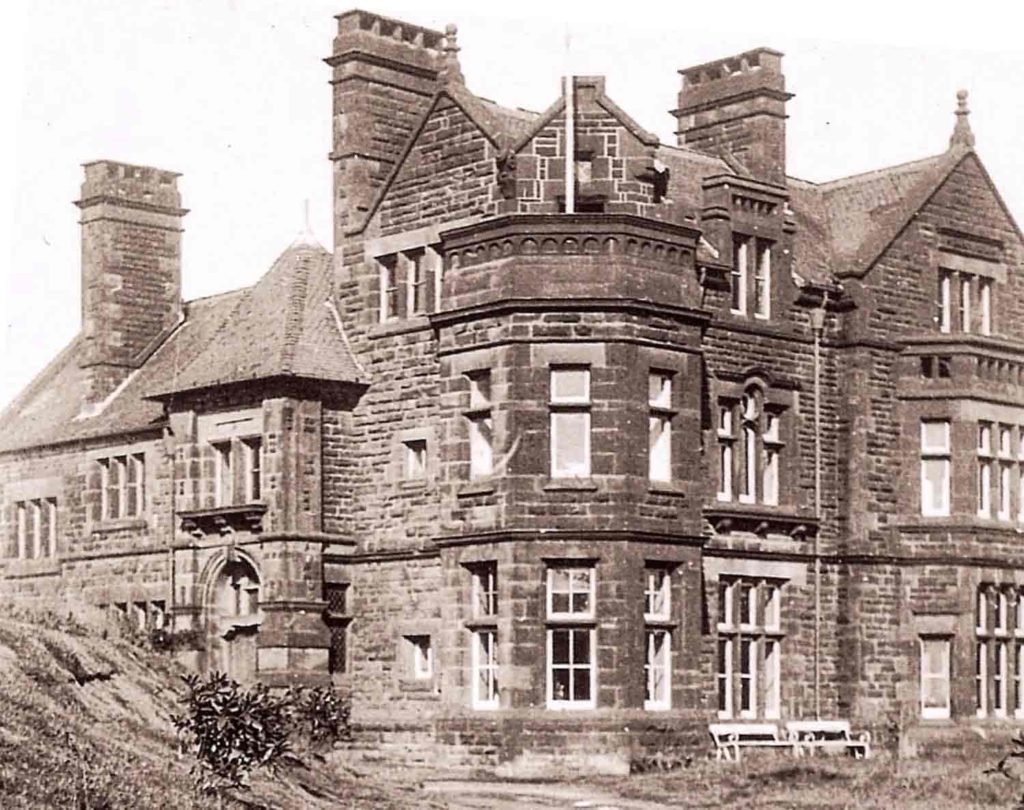
Roaches Hall in its early years
Timeline
Roaches Hall through the years
Award-winning silk
Leek silk manufacturers Brough, Nicholson and Hall win prizes at the Great Exhibition, and later at several European exhibitions.
Roaches House is built
John Hall, a partner in the silk firm, builds Roaches House beneath the Roaches, on the edge of Lord Brocklehurst’s Swythamley Estate.
A thriving business
The silk firm employs 630 people.
Sold at the Swan Hotel
The Hall is sold at the Swan Hotel in Leek, with 68 acres including “a rock feature with good grouse shooting”. Copies of the sale documents hang on the stairway today.
Courtney Brocklehurst
Courtney Brocklehurst, Lord Brocklehurst’s younger brother and a former game warden in Sudan, makes the Hall his home.
A floor removed
The top floor on the south side is taken down, reportedly so Courtney could watch over the zoo from the roof. The steps to the roof are still there.
An outpost of London Zoo
London Zoo sends animals to the Hall, including red-necked wallabies, llamas, yaks, an emu, Tasmanian black swans, Indian and Chinese deer and several antelope species.
The wallabies escape
The wallabies escape onto the Roaches and live wild on the moors, holding at around fifty animals for many years despite the harsh winters of 1947 and 1963.
A wartime loss
Courtney Brocklehurst is killed fighting in Burma. In 1949 a plaque is placed on the Hanging Stone on the Roaches, with a poem in his brother Philip’s handwriting.
Yaks in the garden
Andrea Jackson lives at the Hall and later remembers the yaks, the older of which was the fiercer.
Roaches Hall
The stables and some land are sold off, and the house, now called Roaches Hall, becomes a luxury B&B.
A Party House
Roaches Hall becomes a Party House. Plumbing and electrics are updated, fire alarms and emergency lighting installed, and a new kitchen and bathrooms added, while the panelled entrance-hall ceiling and many original features are kept.
Last sightings
Local papers report wallaby sightings on the Roaches as late as November 2008. A preserved wallaby can be seen at the Nicholson Institute in Leek.


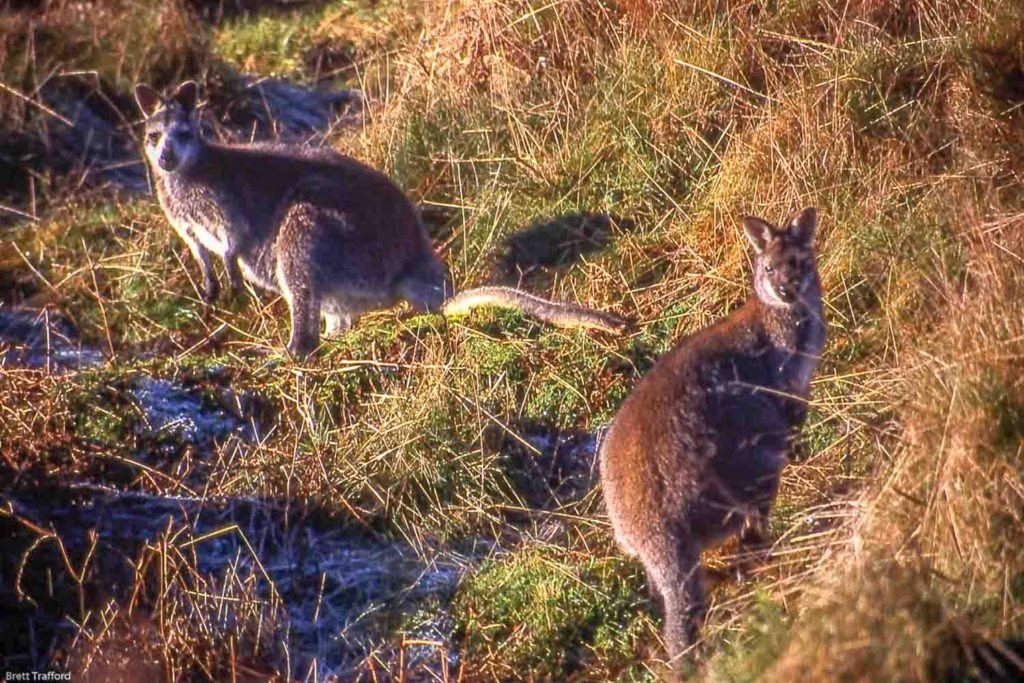
The Roaches wallabies
Wallabies on the moors
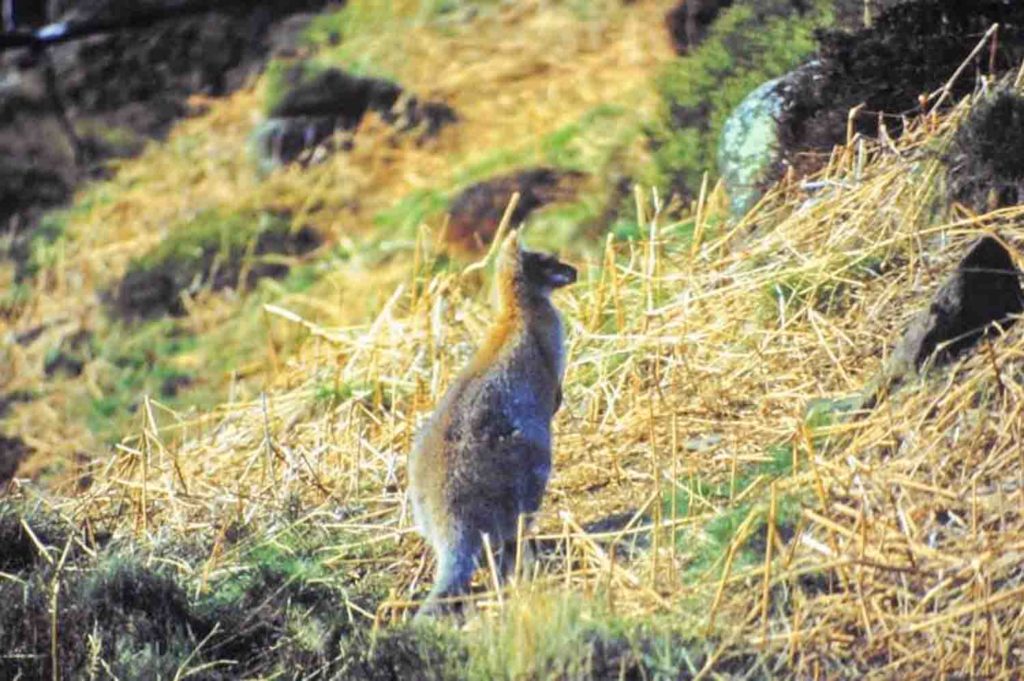
Of all the animals sent from London Zoo, the red-necked wallabies left the biggest mark. After escaping, they bred on the Roaches and became one of the Peak District’s most famous mysteries, with sightings common until the end of the last century.
Walk up to the Roaches from the front door and you’ll be following in their footsteps. You can still see a preserved wallaby at the Nicholson Institute in Leek, and the BBC has told the story of the Roaches wallabies.

Look out for
History you can still see
- The 1899 sale documents hanging on the stairway
- The panelled entrance-hall ceiling
- Marble and stone fireplaces in the reception and dining rooms
- The steps to the roof where Courtney Brocklehurst watched over his zoo (closed to guests)
- The memorial plaque to Courtney Brocklehurst at the Hanging Stone on the Roaches
History FAQs
When was Roaches Hall built?
Roaches Hall, originally Roaches House, was built in 1876 for John Hall, a partner in the Leek silk firm Brough, Nicholson and Hall.
Was there really a zoo at Roaches Hall?
Yes. In 1936 London Zoo sent animals to the Hall, including red-necked wallabies, llamas and yaks, through Sir Philip Brocklehurst of the Swythamley Estate.
Are there still wallabies on the Roaches?
The escaped wallabies lived wild on the Roaches for decades, with sightings reported as late as 2008. They are now thought to have died out.
Can you stay at Roaches Hall?
Yes. Roaches Hall is exclusive-use group accommodation sleeping 30 guests in 13 bedrooms.
Write the next chapter
Check dates and prices online, or call us on 01273 271 332.